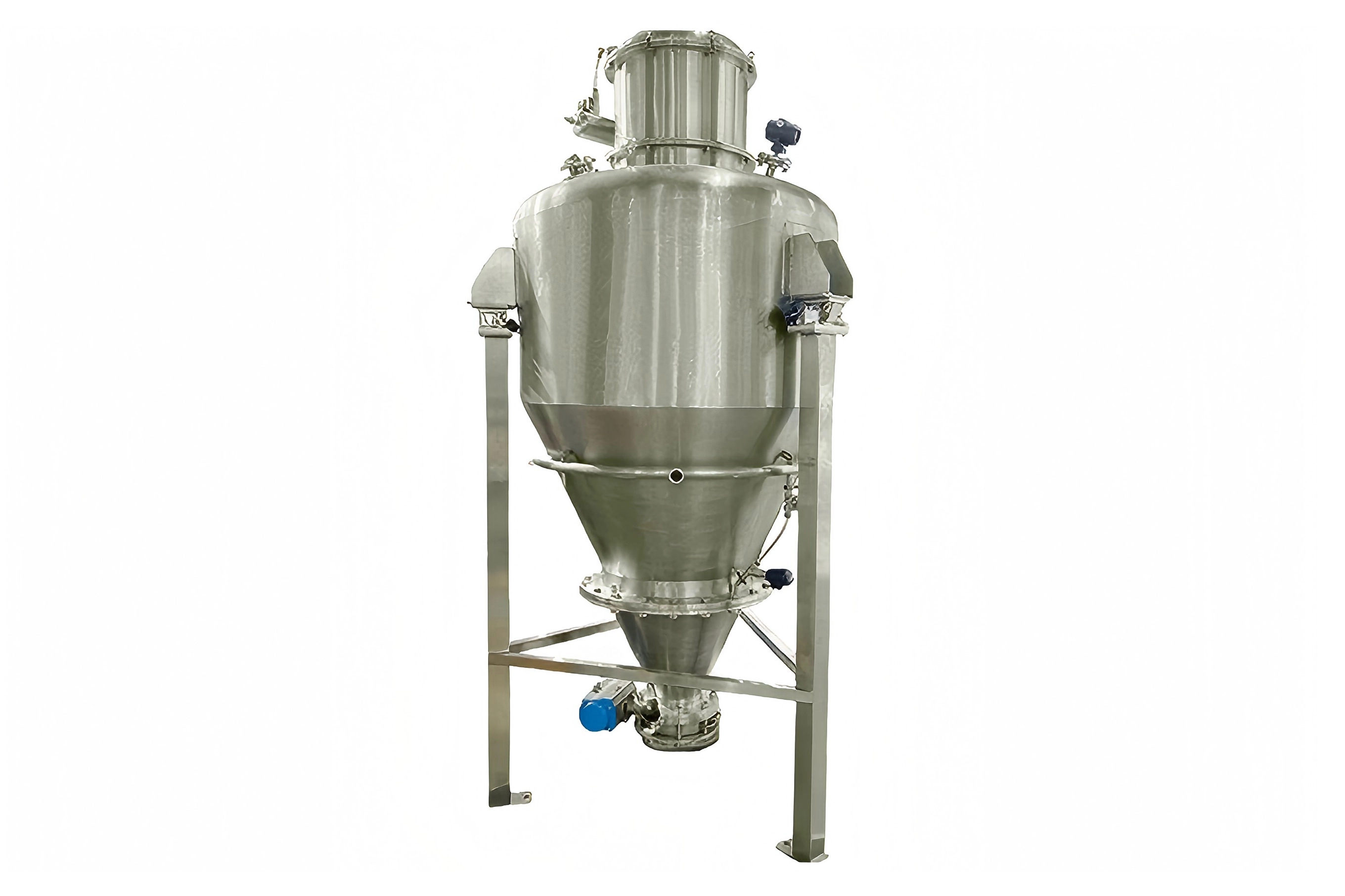
Powder screening equipment must balance capacity, accuracy, product integrity and maintenance cost. A rectangular gyratory sifter and a vibratory sifter can both separate materials by particle size, but their motion, screening efficiency and suitable applications are different. Understanding these differences helps factories choose the right machine for food, chemical, plastic, mineral and pharmaceutical powders.
How a Rectangular Gyratory Sifter Works
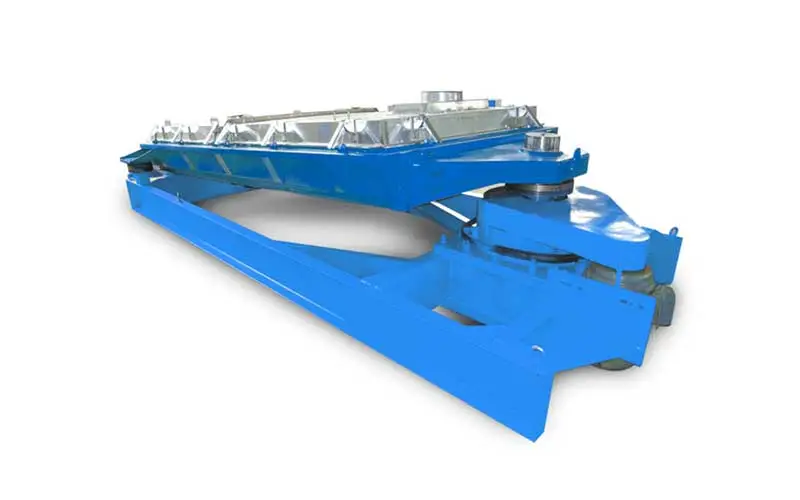
A rectangular gyratory sifter uses a gentle gyratory motion to spread material across a rectangular screen surface. The material moves in a controlled path, allowing fine particles to pass through the mesh while oversized particles are discharged separately. The large screen area makes this type of sifter suitable for high-capacity screening.
Because the motion is relatively gentle, a gyratory sifter can reduce particle breakage and improve screening accuracy for materials that need controlled separation rather than aggressive vibration.
Large screening area for higher throughput.
Gentle motion for fragile or irregular particles.
Multi-layer design for several product grades.
Suitable for continuous production lines.
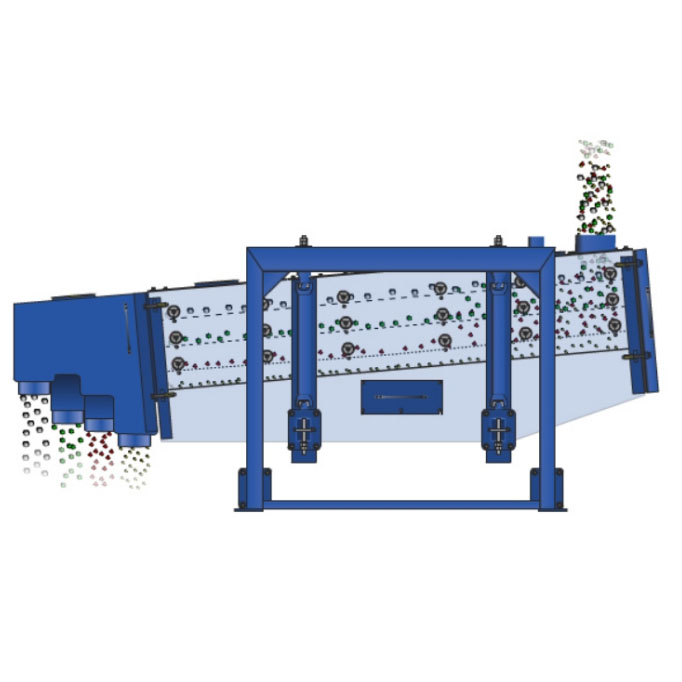
How a Vibratory Sifter Works
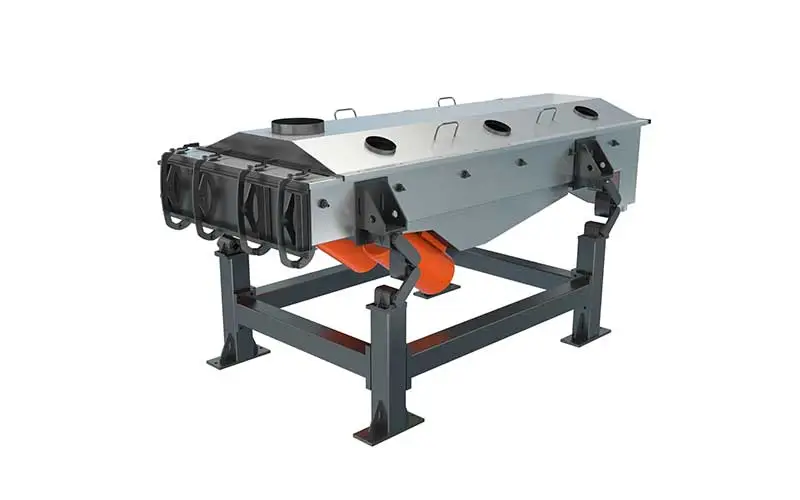
A vibratory sifter uses vibration to move material across one or more screens. The vibration can be circular, linear or high-frequency depending on the equipment design. It is widely used for general powder sieving, impurity removal and grading.
Vibratory sifters are often compact and flexible. They can be a good option for lower to medium capacity applications, quick screening tasks or processes where space is limited.
Compact structure and simple installation.
Suitable for many powder and granular materials.
Useful for impurity removal, safety screening and small-batch grading.
Capacity and Screening Accuracy Comparison
For high-volume applications, a rectangular gyratory sifter often provides better capacity because the material can use a larger screen area more efficiently. For fine powder or difficult-to-screen materials, the motion pattern may also reduce blinding and improve separation stability.
A vibratory sifter can still be the better choice when the process needs compact equipment, frequent cleaning or flexible batch operation. The final decision should be based on material behavior, mesh size, moisture, bulk density and required output.
Choose a gyratory sifter for higher capacity and stable grading.
Choose a vibratory sifter for compact layout and general-purpose screening.
Test real material when mesh size, moisture or static electricity may affect performance.
Material Suitability
Different powders behave differently on a screen. Sticky, oily, light or electrostatic powders may require anti-blinding devices, ultrasonic assistance or special screen cleaning systems. Granules with irregular shapes may need a longer screening path to improve classification. For equipment matching, compare the specifications on the powder separator page before confirming specifications.
For food and pharmaceutical applications, hygienic design, contact material and cleaning access are also important. For chemical or mineral applications, dust control and wear resistance may be more critical.
Food powders: flour, starch, seasoning, sugar and additives.
Chemical powders: resin, pigment, fertilizer and additives.
Plastic and mineral materials: pellets, granules and powders.
Pharma-related powders: cleanable design and controlled contact surfaces are important.
How to Select the Right Screening Machine
The safest way to choose equipment is to provide the supplier with material samples and process requirements. A screening test can reveal whether the powder flows smoothly, blinds the mesh, breaks under vibration or requires special feeding control.
Buyers should compare not only machine price but also throughput, screen life, cleaning time, energy use and downtime. A machine that screens accurately at stable capacity can reduce waste and protect downstream equipment.
Material name, particle size distribution and bulk density.
Required mesh size and capacity per hour.
Moisture, oil content or stickiness.
Number of product grades required.
Hygiene, explosion-proof or dust-control requirements.
Frequently Asked Questions
Is a rectangular gyratory sifter better than a vibratory sifter?
It is better for some high-capacity and high-accuracy applications, especially when material benefits from a longer, gentler screening path. A vibratory sifter may be better for compact, flexible or lower-capacity screening.
What materials can a gyratory sifter screen?
A gyratory sifter can screen many powders and granules, including food ingredients, chemical powders, plastics, minerals and additives, depending on mesh size and material behavior.
How do I know which sifter size to choose?
Provide material data, target capacity, mesh size and number of separations. A supplier can then recommend screen area, layers and machine configuration based on testing or experience.
Get a Project-Based Recommendation
Send your material name, mesh size, capacity target and screening goal to receive a machine selection recommendation or screening test plan.
By Carson Zhao
The Founder of Tvtion Machinery Tech.
With more than 15 years of deep-rooted expertise in powder applications, I am Carson Zhao, the founder of Tvtion Machinery Tech, a company dedicated to delivering innovative and high-efficiency solutions for powder handling, mixing, screening, and processing across industries. My passion lies in solving complex powder-related challenges—whether in pharmaceuticals, food, chemicals, plastic, metal powder, etc. —by leveraging cutting-edge technology and hands-on industry experience.
Let's collaborate to transform your powder processes into a competitive advantage.
 EN
EN