
Powder transfer often looks like a simple step until the material starts creating dust, bridging in a hopper, or feeding the next machine unevenly. In a production line, the conveying method affects m...
Not every screening problem can be solved by simply choosing a finer mesh or a larger machine. The way material moves across the screen often has just as much influence on the final separation result....
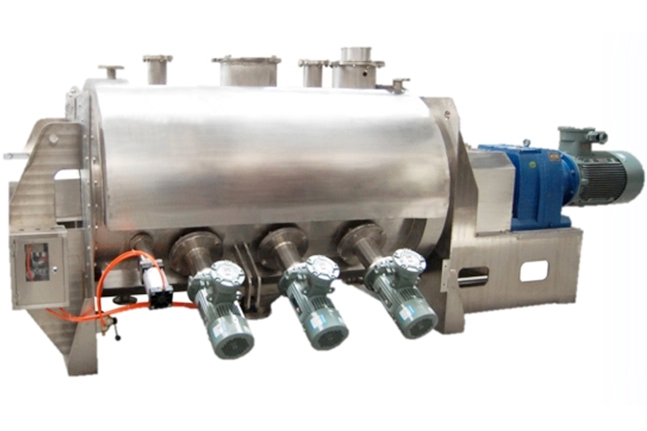
Choosing the right powder mixing equipment is not simply a matter of comparing machine capacity or motor power. Different powders require different levels of mechanical action, residence time, mixing ...
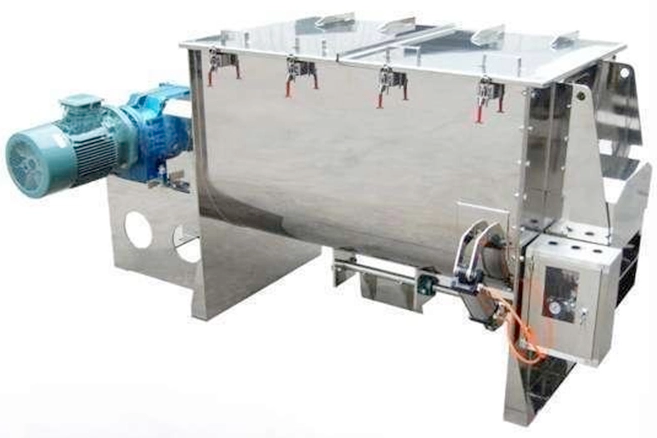
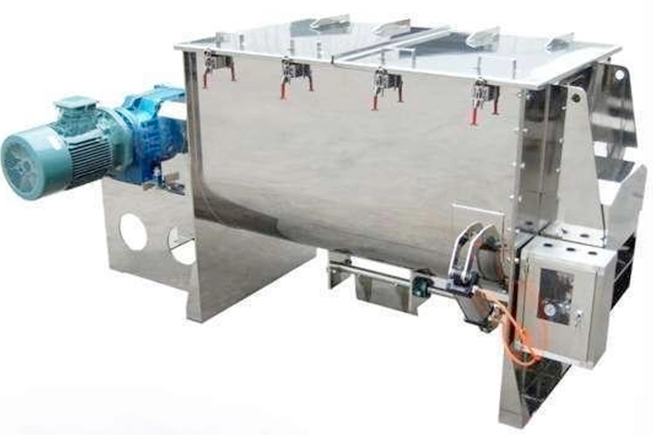
A ribbon blender moves powder axially and radially with inner and outer helical elements. Its performance depends on batch fill, ribbon clearances, speed, powder flow, ingredient ratio and discharge—...
Efficient powder handling requires more than choosing individual machines with the right capacity. The way powder is transferred between processing stages can directly affect production continuity, ma...
A vacuum conveyor is sized from the required mass rate and the resistance of the entire pickup, pipeline, receiver and filter system. Motor power or pipe diameter alone cannot establish capacity.Powde...
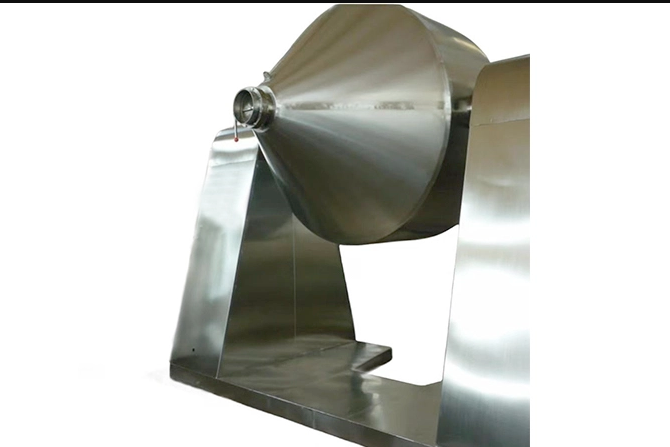
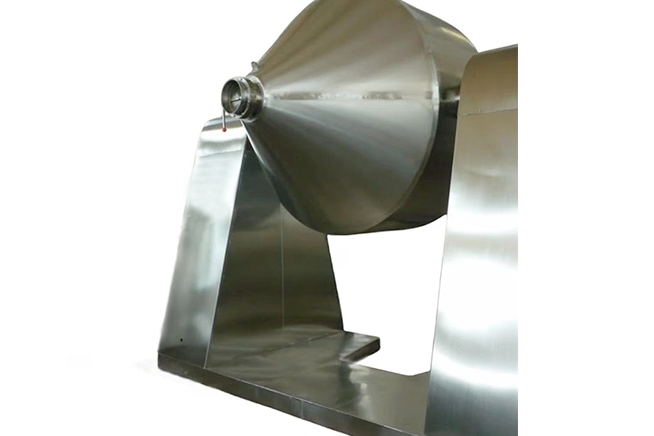
V and double-cone blenders mix free-flowing powders by repeatedly dividing and recombining the bed as the vessel rotates. Their gentle action can suit fragile particles, but both may struggle with coh...
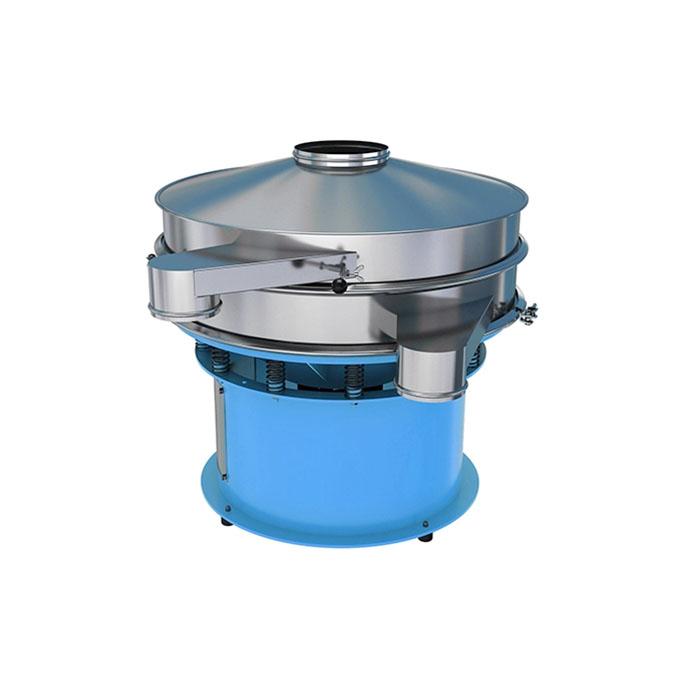
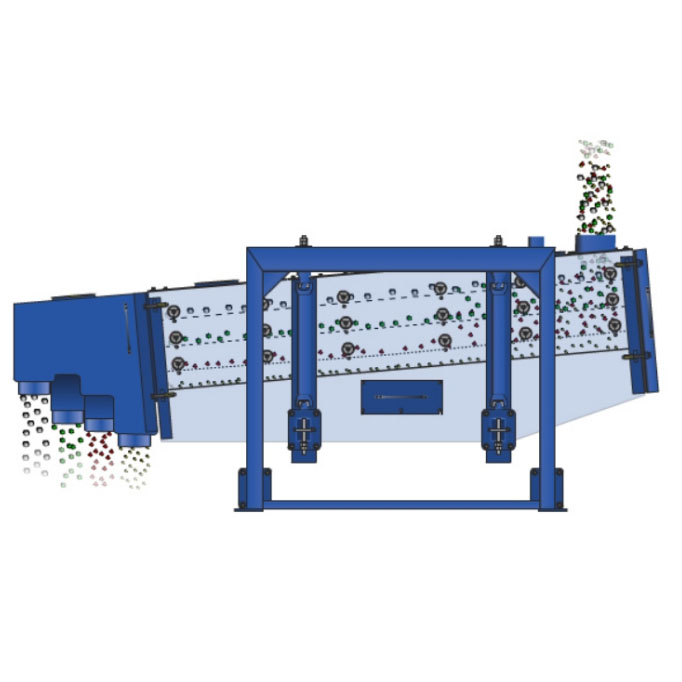
A gyratory sifter and a round vibratory separator can both classify or safety-screen powders, but their motion, screen geometry, residence time, and material behavior differ. Selection should begin wi...
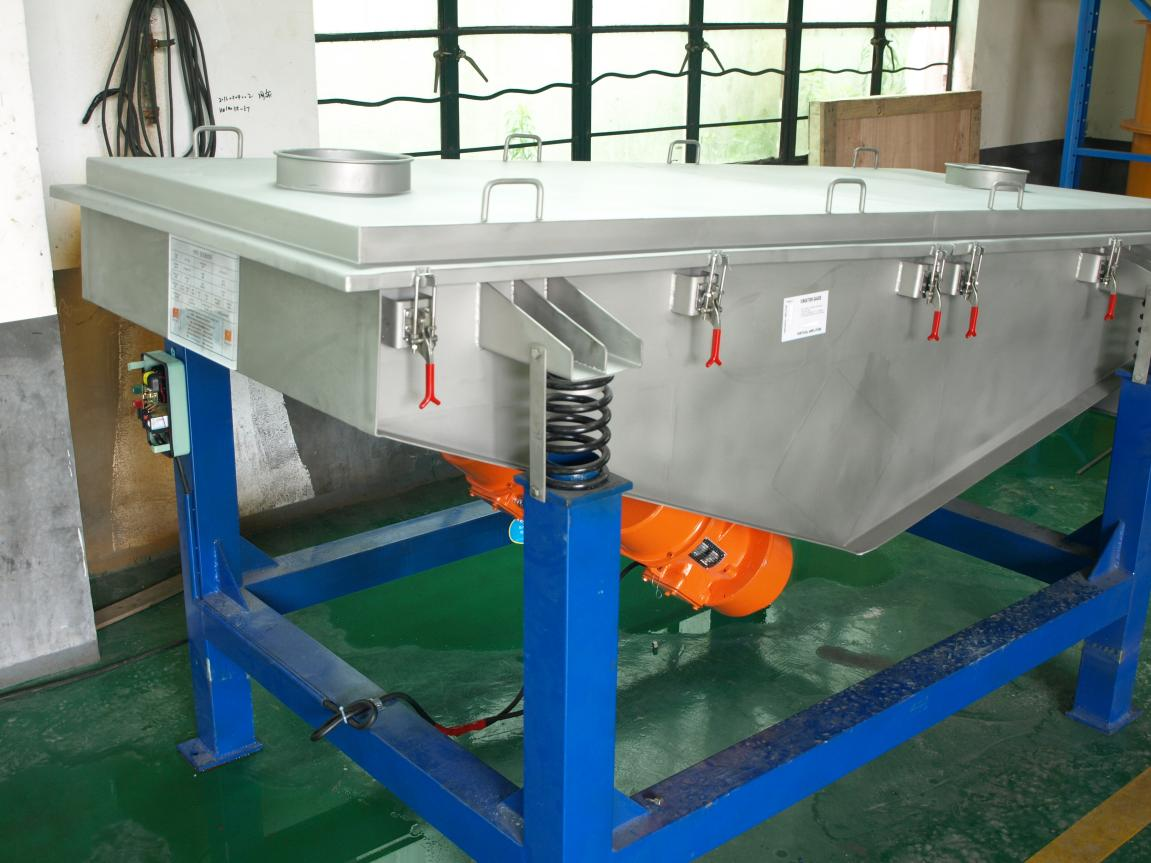
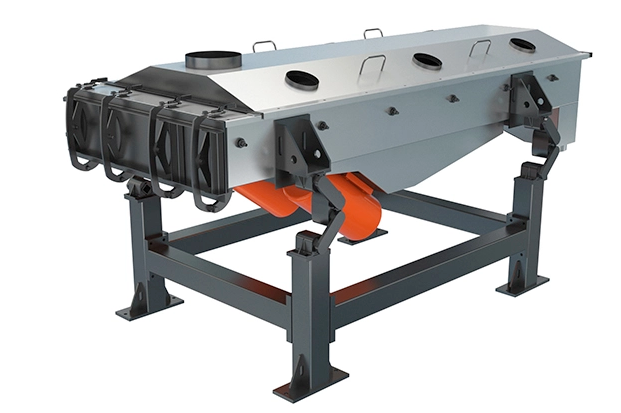
A linear sieving machine is designed for continuous screening, grading, and impurity removal of powders and granules. Compared with round sieving equipment, it usually provides a longer screening path...