
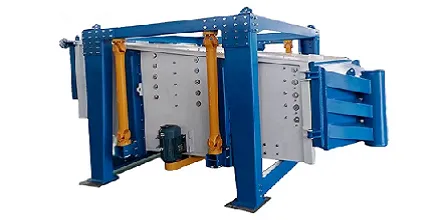
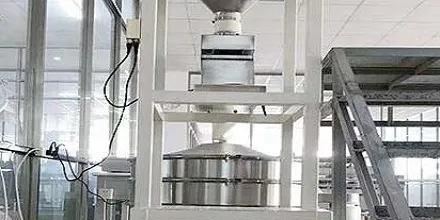
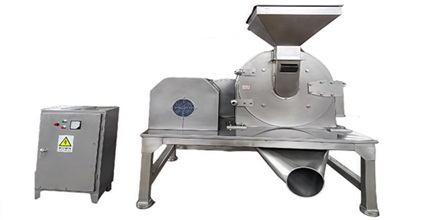
A round sieving machine is widely used for powder classification, impurity removal, and safety screening in food, pharmaceutical, chemical, and industrial production. The best machine should match mat...
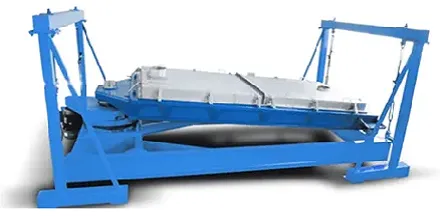
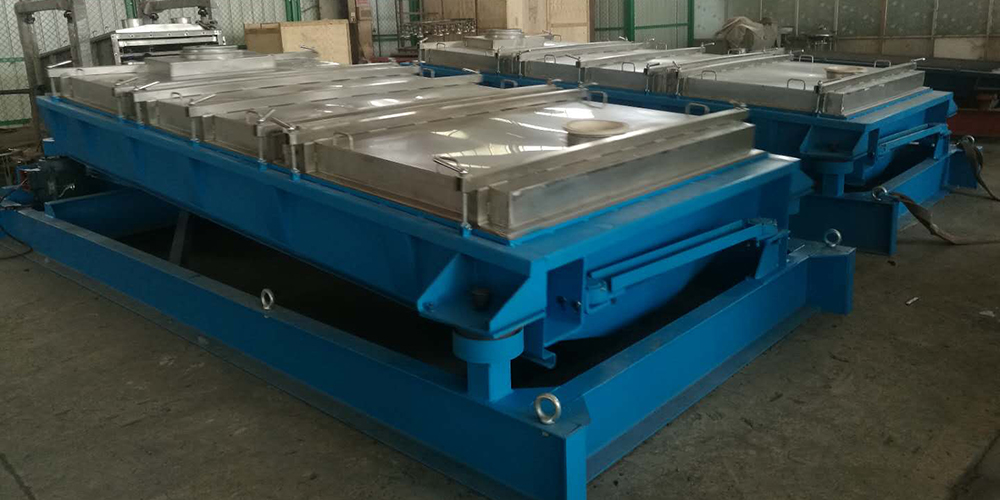
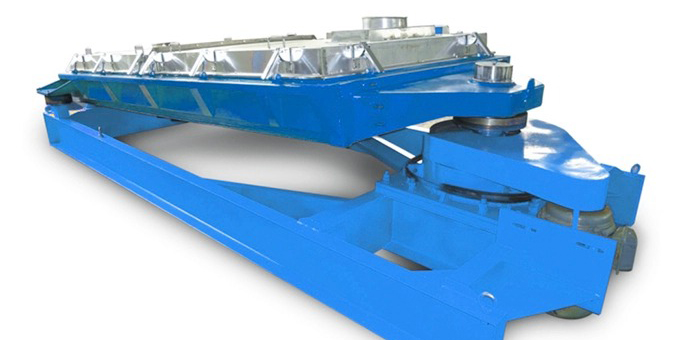
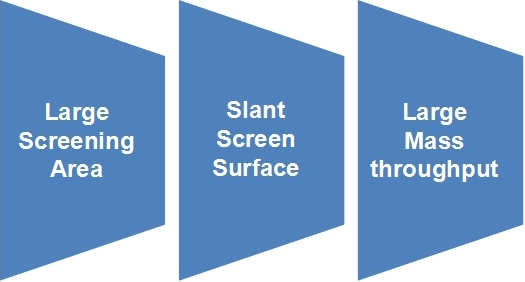
Powder screening equipment must balance capacity, accuracy, product integrity and maintenance cost. A rectangular gyratory sifter and a vibratory sifter can both separate materials by particle size, b...
In 2026, powder processing operations across pharmaceutical manufacturing, food production, specialty chemicals, and battery material preparation are under a level of performance and compliance pressu...
In 2026, high-volume plants are pushing higher throughput with tighter quality specs—while trying to cut dust, reduce rework, and keep uptime predictable. Screening becomes a bottleneck when equipmen...
In 2026, bulk solids processors are under pressure to cut batch time, reduce cross-contamination risk, and keep maintenance downtime predictable—especially as SKU counts increase and quality audits t...
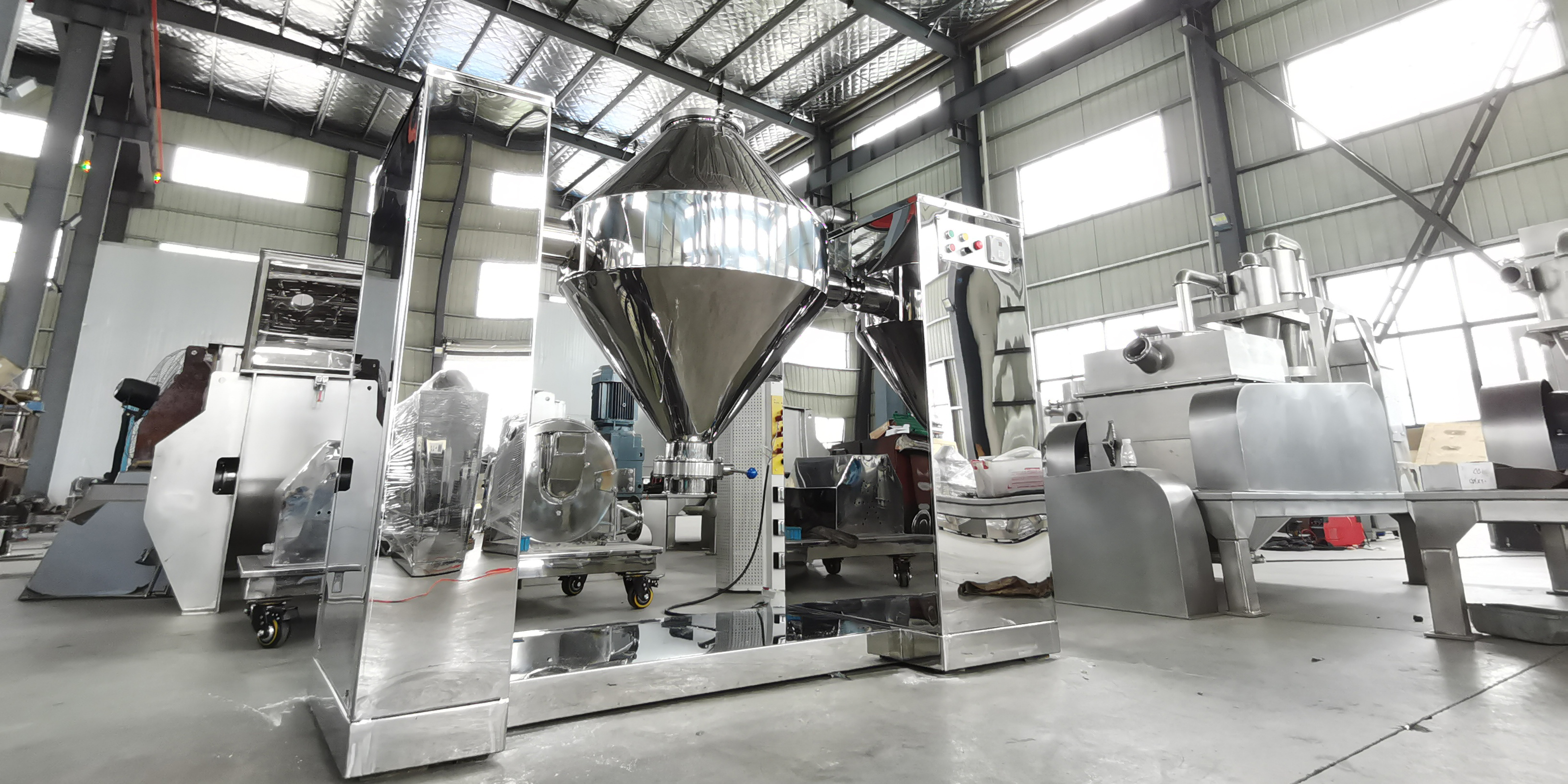
If your batches are "mostly fine" but still trigger occasional lumps, hot spots, or cleaning headaches, you're not dealing with a mixing problem—you're dealing with a spec mismatch....
The most expensive mixing failure is the one that passes visual inspection—until a batch fails assay, a customer reports inconsistency, or your line stops for rework. In 2026, tighter quality targets...
Screen blinding and clogging are among the biggest productivity killers in high‑moisture material screening—especially when sticky fines, agglomerates, or uneven feed conditions quickly block apertu...