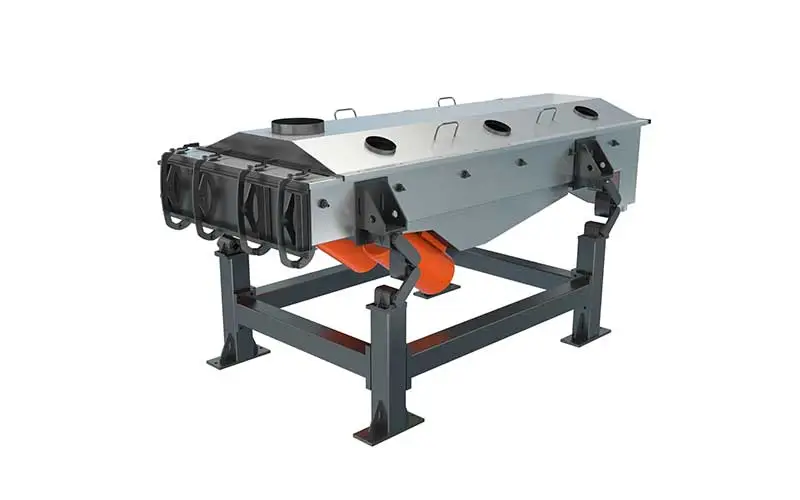
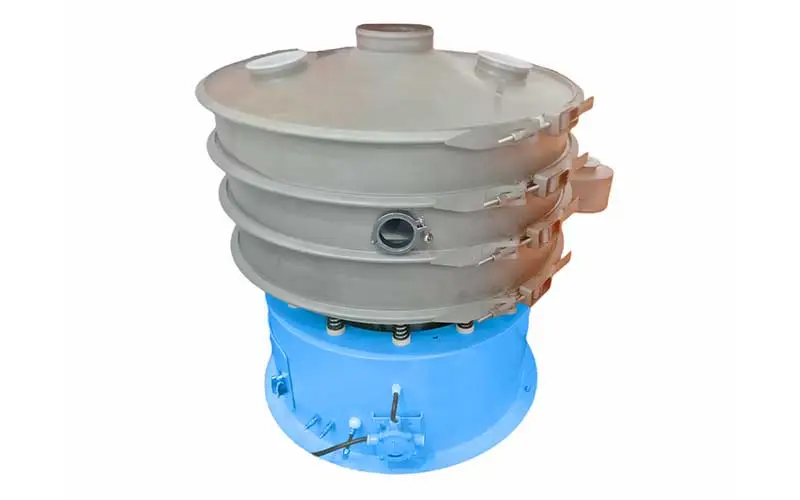
Powder transfer often looks like a simple step until the material starts creating dust, bridging in a hopper, or feeding the next machine unevenly. In a production line, the conveying method affects much more than how powder moves from one point to another. It can influence product cleanliness, operator exposure, cleaning work, equipment layout, and the stability of downstream processes.
A vacuum conveying system offers an enclosed way to move powders between process stages. It can be used to feed a mixer, transfer blended material to a screening machine, or move finished powder into a storage or packaging system. The right configuration, however, depends on the characteristics of the material and the equipment connected to the conveying line. When a square cone blender is part of the process, for example, its loading and discharge requirements need to be considered at the same time as the conveying system.
Why Vacuum Conveying Is Widely Used for Powder Handling
Vacuum conveying moves powder through a closed pipeline by creating a pressure difference between the pickup point and the receiving point. The material is drawn into the conveying line and carried toward a receiver, where the powder is separated from the conveying air before being discharged.
This arrangement is useful in applications where open powder transfer would create unnecessary dust or manual handling. Fine ingredients can be difficult to move cleanly by hand, particularly when they need to be transferred repeatedly between several machines. Keeping the material inside a closed route helps create a more controlled transfer process.
The benefits are not limited to dust containment. A vacuum conveying system can also make equipment layout more flexible. A powder can be picked up from a lower-level hopper and transferred to an elevated mixer, screening machine, or storage vessel without relying on manual lifting.
For food, pharmaceutical, chemical, and other powder-processing applications, this makes conveying part of the wider production system rather than a standalone piece of equipment. The design needs to fit the way raw materials enter the process, how they are mixed or screened, and where the finished product goes next.
When Is a Vacuum Conveying System a Good Fit?
There is no single material or production condition that automatically calls for vacuum conveying. The decision usually comes down to how the powder behaves and what the production line needs to accomplish.
Enclosed transfer is particularly useful when dust containment is a concern. It can reduce the amount of powder exposed to the surrounding environment during movement between machines. This is valuable for fine powders and for production areas where housekeeping and contamination control are important.
Plant layout can also make vacuum conveying attractive. When a source hopper and receiving machine are separated by a significant vertical or horizontal distance, an enclosed conveying route can provide a practical connection between them.
The method is also well suited to lines where several operations follow one another. For example, raw material may be conveyed into a mixer, the mixed batch may then be transferred to a screening machine, and the screened powder may continue to storage or packaging. Linking these stages through appropriate conveying equipment can reduce unnecessary manual intervention.
That does not mean every powder should be conveyed in the same way. Cohesive, hygroscopic, abrasive, or extremely fine materials can behave differently from free-flowing powders. These differences need to be reflected in the equipment design.
Material Properties Should Drive the Conveying Design
The material is usually the best starting point for a conveying discussion. A powder's bulk density, particle size, moisture content, flowability, cohesion, temperature, and abrasiveness can all affect how it enters the pipeline and how reliably it moves through it.
Free-flowing powders generally present fewer feeding challenges, while cohesive powders may require more attention to the pickup point and receiver discharge. A material that tends to form bridges or compact under pressure may not respond well to a conveying arrangement designed for a completely different powder.
Moisture is another variable that can change material behavior. Hygroscopic powders may absorb moisture from the surrounding environment and become less free-flowing. In these cases, the conveying system may need additional consideration for sealing, filtration, and discharge.
Particle size also matters. Fine powders can place greater demands on filtration and dust containment, while abrasive materials can accelerate wear at points where the powder changes direction or passes through valves and fittings.
For this reason, a supplier should receive representative material information before the system is finalized. If possible, provide bulk density, particle-size distribution, moisture, temperature, flowability, and any known handling difficulties. These details give the equipment designer a much better basis for selecting the conveying configuration.
How Vacuum Conveying Connects With Powder Mixing
Mixing is one of the most common processes connected to powder conveying. In a batch production line, ingredients need to reach the mixer in a controlled manner, and the finished batch needs a reliable route to the next stage.
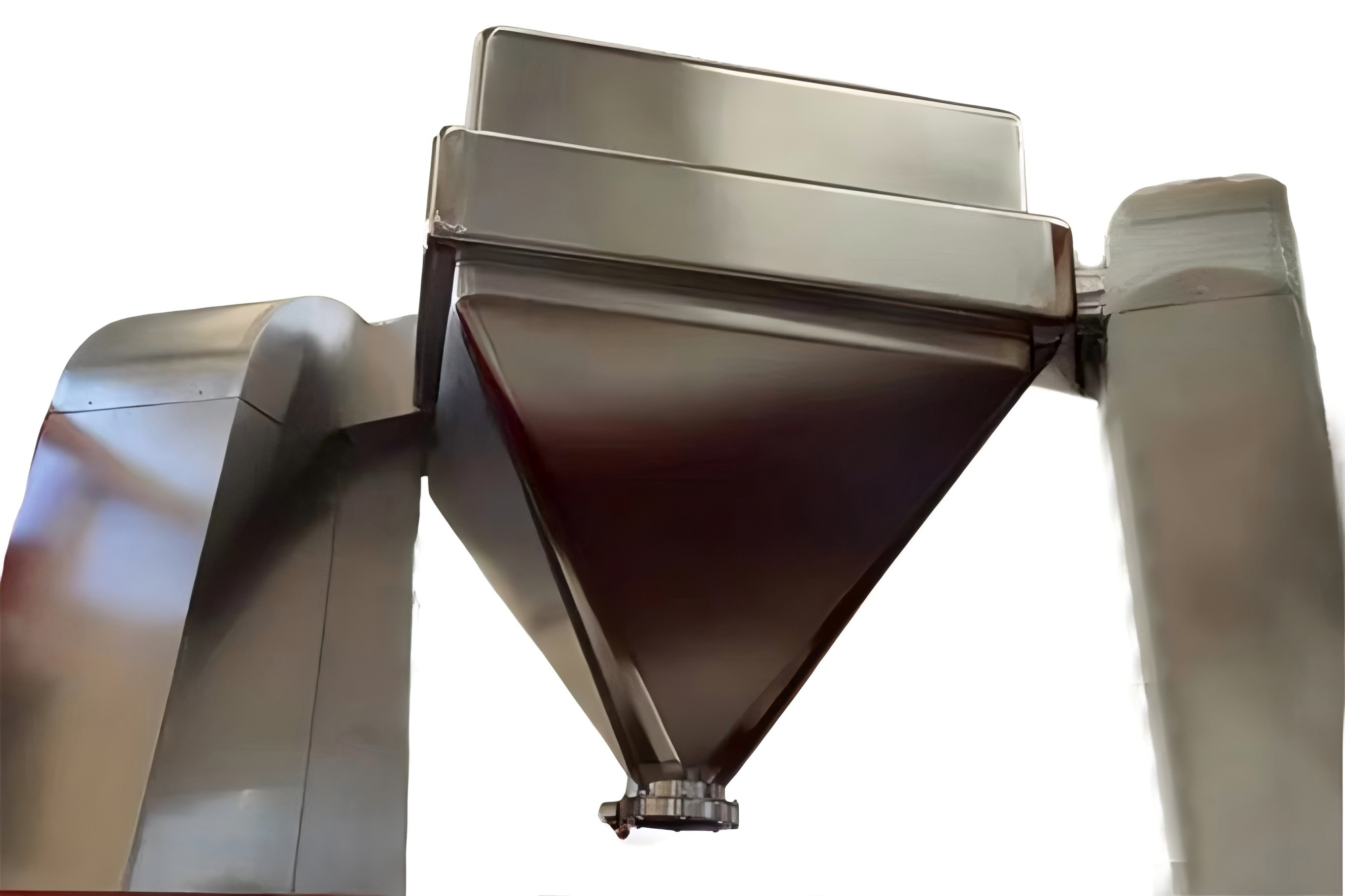
A square cone blender can be used for suitable powder-blending applications where tumbling action and relatively gentle product handling are important. A vacuum conveying system can supply ingredients to the square cone blender before mixing and transfer the finished material onward after the batch has been discharged.
The connection between the two machines deserves more attention than simply matching pipe size. The conveying system has to work with the blender's inlet position and loading sequence. After mixing, the discharge side must provide enough room and the right type of connection for the downstream transfer system.
This becomes particularly important when production involves repeated batch cycles. If powder accumulates around the inlet or discharge connection, operators may need to intervene between batches. A well-considered interface can reduce these interruptions and make cleaning easier.
The square cone blender should therefore be treated as part of the conveying layout rather than as an isolated machine. Looking at both operations together usually produces a more practical material flow.
Vacuum Conveying and Screening: Keeping the Material Flow Consistent
Screening is often positioned before or after mixing, depending on the formulation and production objective. In either case, the transfer between the machines can affect the stability of the screening operation.
For example, raw material can be screened before entering a square cone blender when the process requires removal of unwanted particles or agglomerates before mixing. In another configuration, the blended powder can be conveyed from the blender to a screening machine before it reaches storage or packaging.
A vacuum conveying system can provide an enclosed connection between these stages. The important consideration is not simply whether the conveyor can move the material, but whether it can deliver the material at a rate and in a condition that the receiving machine can handle consistently.
An uneven feed can create problems even when the individual machines have sufficient nominal capacity. This is why conveying, mixing, and screening should be considered as parts of the same process when designing a powder-handling line.
Key Components of a Vacuum Conveying System
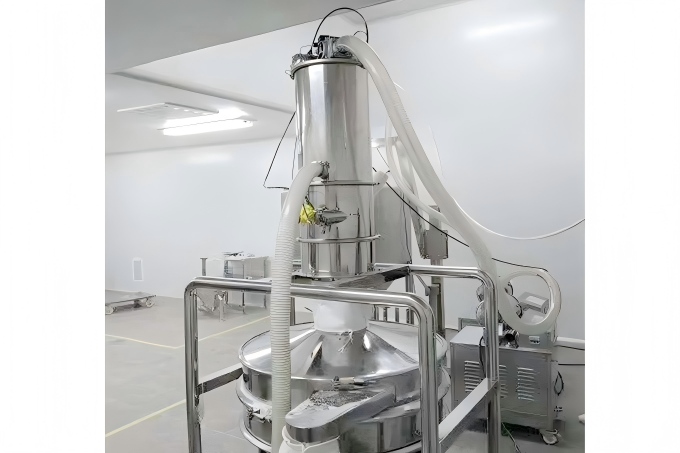
A vacuum conveying system is made up of several components, and their interaction determines how well the system performs in practice. The receiver collects the conveyed material, while the filter separates the powder from the conveying air.
Filter selection deserves particular attention when handling fine powders. If the filter is poorly matched to the application, pressure conditions can change as the filter loads with material. Access for inspection and cleaning is equally important because filter maintenance is part of normal system operation.
The receiver discharge arrangement also affects reliability. Once the powder reaches the receiving vessel, it needs to leave the vessel without excessive accumulation or interruption. When the receiver is positioned above a square cone blender, its outlet and the blender inlet should be considered together.
The pipeline has its own design considerations. Transfer distance, elevation changes, bends, pipe diameter, valves, and connection points all contribute to the overall conveying conditions. A short and straightforward route may behave very differently from a system with multiple bends and changes in elevation.
Vacuum Conveying System Comparison Factors
| Selection Factor | Why It Matters | What Should Be Reviewed |
|---|
| Powder characteristics | Material behavior affects feeding, pickup, conveying, and discharge | Bulk density, particle size, moisture, flowability, cohesion, abrasiveness |
| Dust containment | Fine powders can create housekeeping and contamination concerns | Pipeline sealing, receiver design, filtration, connection points |
| Conveying route | The route influences conveying resistance and system layout | Distance, elevation, bends, pipe arrangement, valves |
| Receiver and filter | These components affect powder collection and air separation | Filter type, cleaning access, receiver configuration, discharge method |
| Cleaning | Cleaning requirements can affect both equipment design and downtime | Contact surfaces, inspection access, seals, cleaning procedure |
| Equipment integration | The conveyor needs to work with the machines before and after it | Blender inlet, blender discharge, screening feed, hopper and packaging connections |
| Product protection | Some materials are sensitive to contamination or excessive handling | Transfer conditions, contact materials, potential degradation |
Integrating a Square Cone Blender Into the Conveying Line
When a square cone blender is included in the process, it helps to map the complete batch movement before specifying the conveying equipment.
Raw materials may first be collected from storage or feeding equipment and transferred into the blender through a vacuum line. Once the mixing cycle is finished, the product can be discharged and conveyed toward screening, intermediate storage, or packaging.
The upstream and downstream sides of the square cone blender have different requirements. Ingredient loading needs to be coordinated with the batch sequence, while product discharge needs to be compatible with the next transfer stage. Treating both sides as part of one material path can help avoid unnecessary transfer points and accumulation areas.
This is also where equipment layout becomes important. The most technically capable conveyor may not be the best choice if its receiver, discharge, or pipeline arrangement creates difficult access around the blender. Practical maintenance and cleaning should be considered alongside conveying performance.
Hygiene, Cleaning, and Dust Control
Hygiene requirements should be considered before the equipment layout is finalized. Product-contact surfaces, seals, receiver interiors, filters, discharge points, and pipeline connections all need to fit the cleaning method used at the facility.
A closed conveying line can reduce the amount of powder exposed during transfer, but the benefit depends on the integrity of the complete system. Poorly designed connections can still allow leakage or create areas where material collects.
Cleaning requirements vary from one application to another. Some powder-processing lines rely mainly on dry cleaning, while others require more extensive cleaning between products. The equipment should be designed so that the required cleaning method is practical rather than difficult to perform.
When a vacuum conveying system is connected to a square cone blender, the transition between the two machines deserves particular attention. A clean and accessible connection can make a noticeable difference during product changeover and routine inspection.
How to Select the Right Conveying Capacity
Conveying capacity should be based on the actual production process rather than a single catalog figure. The required transfer rate depends on the powder, batch size, transfer frequency, operating schedule, and the way the receiving equipment is used.
For a batch process, the conveyor may only operate during certain stages of the production cycle. The required capacity should therefore be considered alongside the complete batch sequence instead of assuming that the conveyor must continuously match the maximum production rate.
Oversizing can add unnecessary cost and complexity, while undersizing may cause the conveying stage to become a bottleneck. A more useful approach is to provide the supplier with the material properties, required transfer conditions, and actual production requirements so the complete system can be evaluated.
Common Vacuum Conveying Selection Mistakes
Choosing equipment solely according to throughput is one of the easier mistakes to make. Two powders may require different conveying conditions even when the target transfer rate is similar.
The conveying route is sometimes overlooked as well. Bends, elevation changes, valves, and long pipelines can change the overall system requirements. These details should be included in the initial design rather than added after the main equipment has already been selected.
Filter and receiver design can also be underestimated. Fine powders may require careful filtration, while cohesive materials can require a discharge arrangement that prevents accumulation.
Cleaning is another area where a seemingly small design decision can have a large effect on daily operation. If operators cannot easily access filters, connections, or product-contact areas, routine maintenance can become unnecessarily difficult.
Finally, the conveying system should not be separated from the equipment it serves. When the destination is a square cone blender, for instance, the loading sequence, blender inlet, receiver discharge, and downstream material flow should all be considered together.
How TVTION Can Support Powder Processing Projects
Vacuum conveying becomes more useful when it is planned as part of the complete powder-processing line. TVTION can evaluate conveying requirements alongside mixing, screening, storage, and other powder-handling operations.
For applications using a square cone blender, the conveying arrangement can be considered around the blender's loading and discharge requirements. This makes it easier to look at the material flow as a complete process instead of selecting each machine independently.
If you are comparing equipment configurations for a new or upgraded powder-processing line, you can review TVTION's powder processing equipment range to see how conveying, mixing, screening, and related equipment can fit into different process layouts.
For applications involving difficult powders, hygiene requirements, customized connections, or specific production conditions, the next step is usually to discuss the actual process rather than rely on general equipment specifications. You can contact TVTION to discuss your powder-processing requirements and provide details such as the material characteristics, transfer route, production capacity, and connected equipment.
What to Include in a Vacuum Conveying RFQ
A useful RFQ should give the supplier enough information to understand how the powder behaves and where the conveying system fits into the process.
Material information should cover bulk density, particle-size distribution, moisture, temperature, flowability, cohesion, and abrasiveness where applicable. If the powder is particularly fine, hygroscopic, fragile, or difficult to discharge, this should also be mentioned.
The conveying route should be described clearly. Include the pickup location, destination, approximate transfer distance, elevation changes, bends, and the equipment connected at each end of the line.
Production information should include the batch size, required transfer rate, operating sequence, and transfer frequency. If the conveying system feeds a square cone blender, provide the blender inlet location, loading arrangement, batch requirements, and discharge configuration.
Cleaning and hygiene requirements should be stated at the same time. Product-contact materials, surface-finish expectations, cleaning procedures, filter access, and changeover requirements can all influence the final design.
A good supplier should also be able to explain why the proposed vacuum source, receiver, filter, pipeline, valves, controls, and discharge system are appropriate for the application. That explanation is often more useful than comparing equipment only by nominal specifications.
How to Choose a Vacuum Conveying System for Your Process
The right vacuum conveying system should fit the powder, the production target, and the equipment around it. Material characteristics determine how the powder is likely to behave, while the conveying route and process sequence determine how the system needs to move it.
When the destination is a square cone blender, the blender should be included in the conveying discussion from the beginning. The loading method, inlet position, batch sequence, discharge arrangement, and downstream transfer all affect how the conveying system should be configured.
For hygienic applications, filtration, sealing, cleaning access, and product-contact surfaces deserve as much attention as conveying capacity. These details may not appear significant when looking only at the equipment specification, but they can have a direct impact on everyday operation.
For powders that are cohesive, very fine, abrasive, hygroscopic, or otherwise difficult to handle, testing with the actual material can provide additional confidence. The way a powder behaves under real operating conditions is often more informative than relying on assumptions based only on its general classification.
Conclusion
A vacuum conveying system can provide a clean and enclosed way to move powders between different stages of production, but its performance depends on how well the system matches the material and the process around it. Powder characteristics, conveying route, receiver and filter design, discharge conditions, cleaning requirements, and equipment interfaces all need to be considered together.
When a square cone blender is part of the production line, the conveying system should be designed around the blender's actual loading and discharge requirements rather than treated as a separate transportation step. This approach helps create a more continuous material flow and can reduce avoidable handling, accumulation, and maintenance issues.
The best equipment selection starts with a clear description of the actual process. By providing accurate material information, conveying requirements, production conditions, hygiene expectations, and connected equipment details, manufacturers can work with an experienced supplier to develop a vacuum conveying solution that is practical to operate and easier to integrate into the wider powder-processing line.
Frequently Asked Questions
1. What is a vacuum conveying system?
A vacuum conveying system transfers powders or bulk solids through an enclosed pipeline using negative pressure. It is commonly used to connect storage, feeding, mixing, screening, and packaging stages.
2. What materials can be handled by a vacuum conveying system?
Many powders and bulk solids can be vacuum conveyed, but the appropriate configuration depends on properties such as particle size, bulk density, moisture, flowability, cohesion, temperature, and abrasiveness.
3. Can a vacuum conveying system feed a square cone blender?
Yes. A vacuum conveying system can be integrated with a square cone blender to transfer ingredients into the blender or move the finished powder to a downstream process, provided the conveying and blender interfaces are properly matched.
4. Why is filtration important in vacuum conveying?
The filter separates powder from the conveying air before the air reaches the vacuum source. Proper filtration is particularly important when handling fine or dusty powders.
5. What information is needed when selecting a vacuum conveying system?
Important information includes powder characteristics, required transfer rate, source and destination locations, conveying distance, elevation changes, pipeline layout, batch size, cleaning requirements, and connected equipment.
6. Can TVTION help integrate conveying with powder-processing equipment?
Yes. TVTION can evaluate conveying requirements together with mixing, screening, and other powder-processing stages. For projects involving a square cone blender or customized production-line integration, customers can provide their process details for a more targeted equipment evaluation.
By Carson Zhao
The Founder of Tvtion Machinery Tech.
With more than 15 years of deep-rooted expertise in powder applications, I am Carson Zhao, the founder of Tvtion Machinery Tech, a company dedicated to delivering innovative and high-efficiency solutions for powder handling, mixing, screening, and processing across industries. My passion lies in solving complex powder-related challenges—whether in pharmaceuticals, food, chemicals, plastic, metal powder, etc. —by leveraging cutting-edge technology and hands-on industry experience.
Let's collaborate to transform your powder processes into a competitive advantage.
 EN
EN