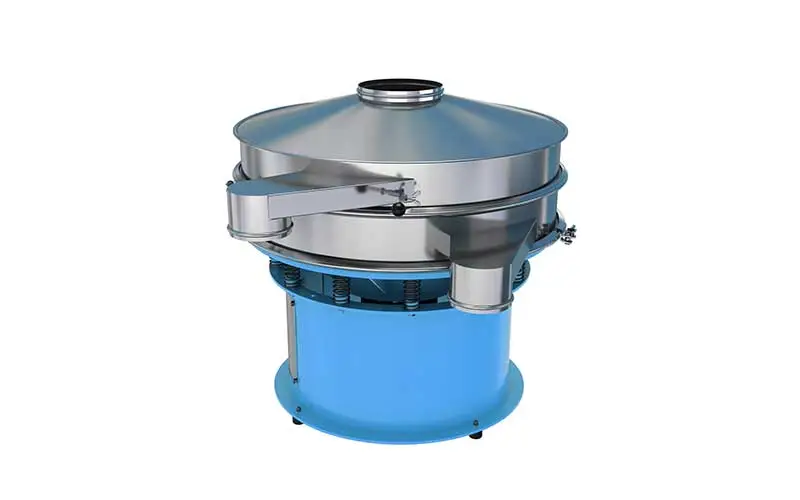
A gyratory sifter and a round vibratory separator can both classify or safety-screen powders, but their motion, screen geometry, residence time, and material behavior differ. Selection should begin with the feed and required separation—not equipment shape alone.
Capacity claims are comparable only when material, bulk density, moisture, particle distribution, mesh, deck count, and acceptable product loss are stated.
How the Motion Changes Screening
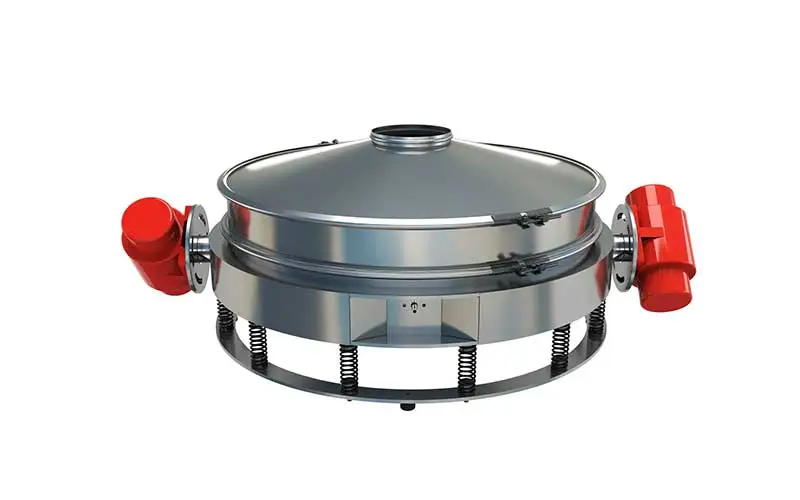
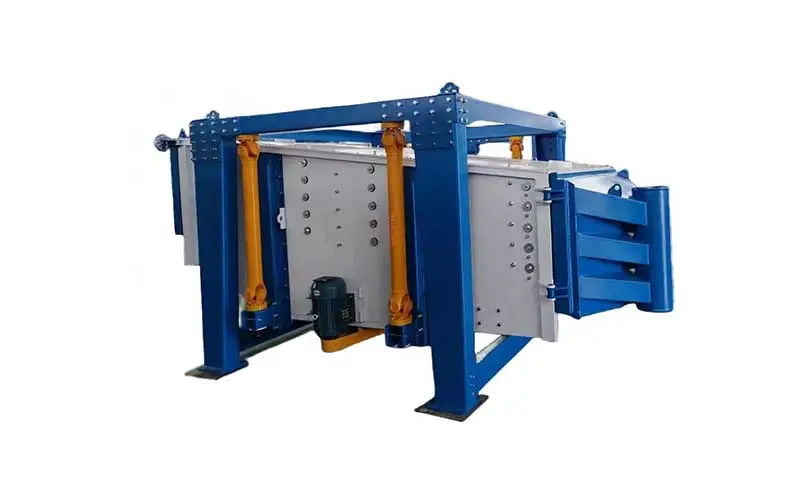
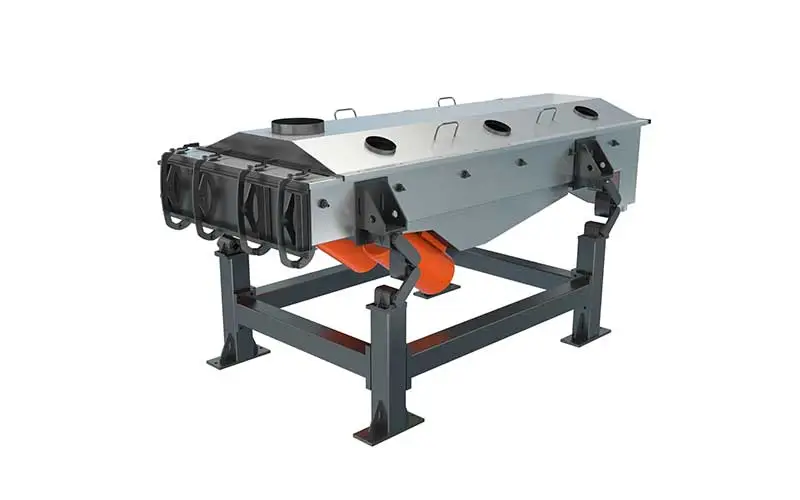
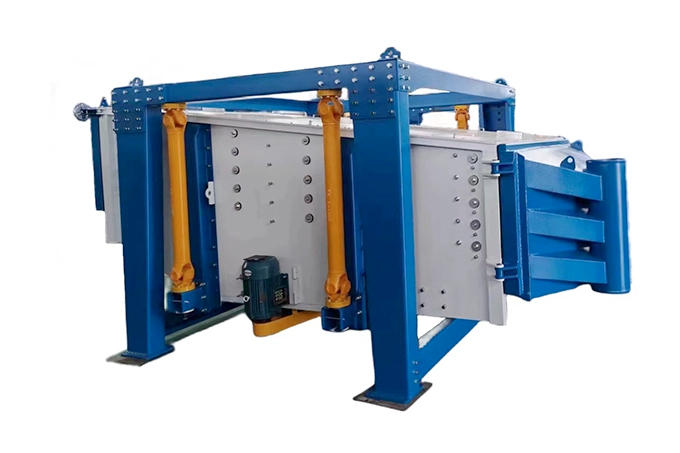
A rectangular gyratory machine uses a controlled planar/gyratory motion that spreads material across a long screen path. It is often evaluated for high-capacity, precise separations of relatively free-flowing material. A round vibratory separator uses vertical and horizontal vibration to move and separate material on circular decks and can be compact and versatile for scalping or classification.
TVTION's rectangular gyratory sifter page should remain the primary URL for that high-capacity rectangular motion; round separator queries should link to the distinct circular product.
Compare on the Real Feed
| Factor | Gyratory sifter | Round vibratory separator |
|---|
| Screen path | Long rectangular progression | Circular deck motion |
| Footprint | Longer machine/body | Often compact circular footprint |
| Typical decision | Capacity and precise multi-fraction screening | Scalping, grading, or liquid/solid duties by configuration |
| Material sensitivity | Test near-size, blinding, and fragile particles | Test vibration response, blinding, and breakage |
| Scale-up basis | Screen loading and residence distribution | Deck area, motion settings, and feed distribution |
The table is directional. Screen design, motion settings, and product-specific tests determine performance.
Characterize the Powder
Particle-size distribution, including percentage close to the cut size
Loose and tapped bulk density
Moisture, oil, static, agglomeration, and temperature
Particle shape, friability, and abrasiveness
Required oversize/undersize specification and yield
Dust, hygiene, cross-contamination, and explosion properties
Near-size particles and sticky fines can dominate screen load. A supplier needs a representative sample, not only a material name.
Evaluate Cleaning and Containment
Food and pharmaceutical duties may require contact-material certification, finish, tool-free access, verified cleanability, and dust-tight seals. Chemical or new-energy powders may require conductive paths, inerting interfaces, or a formal combustible-dust review.
Count time to open, inspect, change screens, and reassemble. A high nominal throughput can lose value if changeovers create long unplanned downtime.
Run a Representative Screening Trial
Agree feed lot, moisture, and temperature.
Set target cut, throughput, and product recovery.
Record mesh, usable area, deck, motion, and anti-blinding device.
Sample feed, oversize, and undersize over steady operation.
Inspect blinding, product damage, dust, and temperature rise.
Repeat at the expected operating range, not one best point.
Frequently Asked Questions
Which machine has higher capacity?
It depends on material and cut. Gyratory sifters often target high capacity, but a representative test is required.
Can both machines use multiple decks?
Many configurations can, but deck count, discharge layout, and capacity must be confirmed for the exact model.
What causes screen blinding?
Near-size particles, moisture, static, soft/agglomerated feed, and unsuitable mesh or motion can contribute.
What sample size is needed for testing?
Enough material is needed to reach steady operation and take representative feed/product samples; the supplier should propose the trial quantity.
Select from Test Conditions
TVTION can review powder data and arrange screening trials. Provide the feed distribution, cut specification, capacity, yield, cleanliness, and site requirements so the equipment comparison uses one controlled basis.
By Carson Zhao
The Founder of Tvtion Machinery Tech.
With more than 15 years of deep-rooted expertise in powder applications, I am Carson Zhao, the founder of Tvtion Machinery Tech, a company dedicated to delivering innovative and high-efficiency solutions for powder handling, mixing, screening, and processing across industries. My passion lies in solving complex powder-related challenges—whether in pharmaceuticals, food, chemicals, plastic, metal powder, etc. —by leveraging cutting-edge technology and hands-on industry experience.
Let's collaborate to transform your powder processes into a competitive advantage.
 EN
EN